
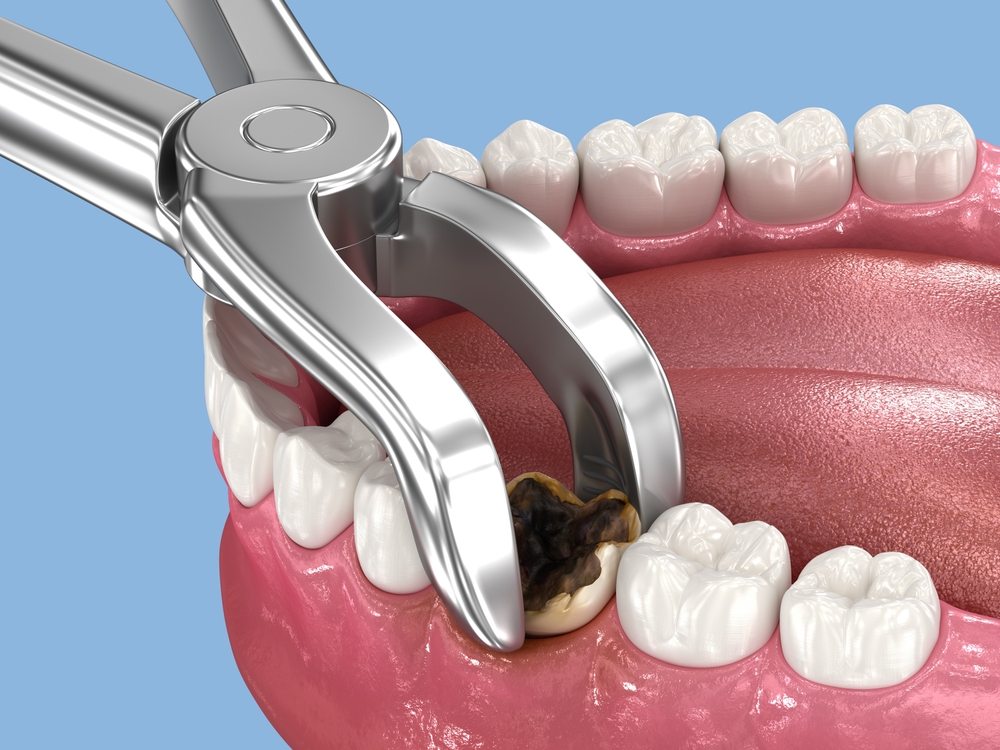
When looking for a tooth extractions near you, you must get a bit anxious. A local dentist can easily do a tooth extraction, a procedure where teeth are removed from your mouth. Knowing why a tooth needs to be extracted and exactly what’s involved in the procedure can ease your worries about having it done. In this guide, we look at why teeth are extracted, the extraction process itself, and recovery after the procedure.
Reasons for Removing a Tooth
Tooth extraction may not always be an emergency, so there can be several reasons. Below are some reasons for removing a tooth.
- It may be necessary to extract a tooth if it is severely decayed or damaged. If it is so decayed that it cannot be repaired, it could pose a threat to the surrounding teeth or perhaps the gums.
- Teeth that do not come up properly (wisdom teeth) often become impacted and can cause pain, swelling and/or crowding. It is generally advised to remove.
- Orthodontics may require tooth extractions to alleviate overcrowding and align teeth correctly.
- Advanced gum disease weakens the bone and tissue that support the teeth to the extent that the best option is extraction.
- Tooth extraction may be necessary if your tooth has been infected and will not respond to a root canal or antibiotics. We want to prevent the spread of bacteria!
It’s important to know why you need to have a tooth extracted so that you can be prepared beforehand.
Guide for Tooth Extraction Procedure
Familiarising yourself with the extraction procedure guide of a dentist. It can reduce your anxiety and prepare you for aftercare. The typical procedure is simple and includes the following steps.
- The dentist will examine the tooth and the surrounding area through X-rays. These will help establish the best way to extract the tooth.
- A numbing agent (Local anesthesia) is applied to anesthetize the area. The dentist may use sedation or general anesthesia to perform complex extractions or on anxious patients.
- In case of a simple extraction, the dentist will loosen the tooth with a special instrument and remove it gently. Surgical extractions are done for broken or impacted teeth. It involves cutting away some tissue to remove the tooth.
- After the tooth extraction, the dentist will give you instructions regarding pain, swelling and bleeding. A gauze is placed over the site to encourage clotting and protect the area.
Rehabilitation and Care
Healing after tooth extraction can take several days to a week, depending on the patient’s overall health and the complexity of the procedure. Important aftercare needs for.
- Do not vigorously rinse out or spit for 24 hours.
- Consume soft food and avoid hot or crunchy food.
- Take prescribed pain medication or over-the-counter pain medication as directed.
- After the first day, gently rinse the extraction site to keep it clean.
When you follow these steps, it helps to avoid dry socket and ensures faster healing.
When to Call Your Dentist
If you experience complications, reach out to your dentist after most tooth extractions.
- Bleeding that doesn’t stop after a few hours.
- A lot of pain that is not helped by medication.
- The swelling increases after a few days.
- Indications of infection include fever or pus discharge.
Conclusion.
One of the most common dental procedures is tooth extractions, and they are often necessary. Understanding the procedure along with the proper aftercare is important due to decay, infection, or overcrowding. Get expert care for tooth extractions near you at Habashy Dental Westlake. Our gentle and professional team will help you through the treatment as well as the recovery process smoothly. Please make an appointment with our dentist near you to discuss your needs and find the ideal solution for your dental problem.