
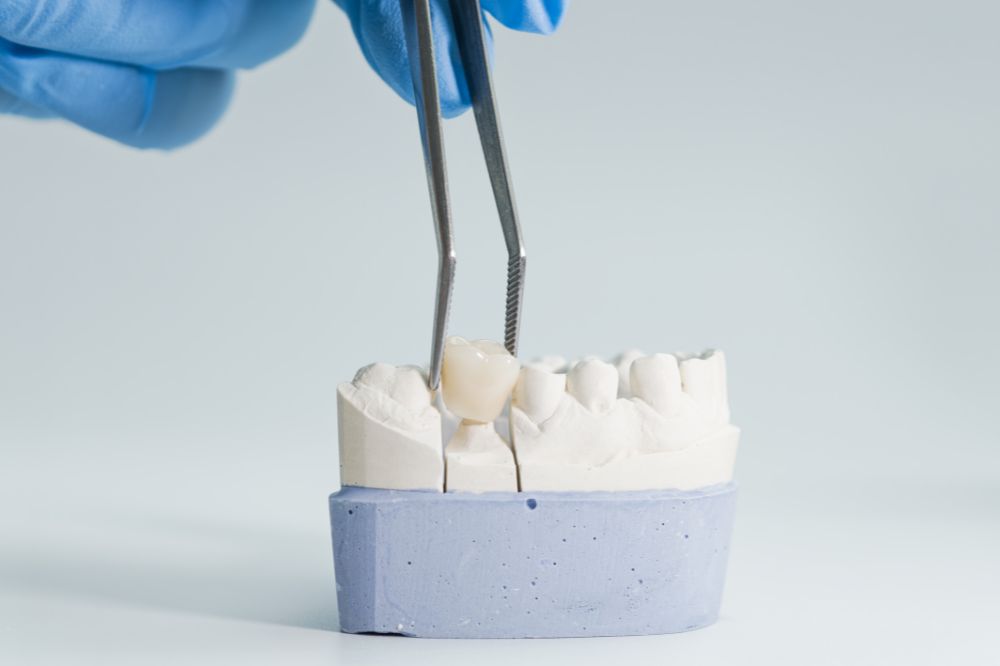
Have you ever sat down to eat your favourite snack, only to feel a sharp pain when you bite down? If there is a dental crown in that spot, it can feel very confusing. A crown is supposed to protect a tooth, not make it hurt. When a dentist places a crown, the goal is to restore the tooth’s strength. However, sometimes things do not feel right immediately, or pain starts much later. If you are feeling discomfort, it is important to understand what is happening inside the mouth. Many patients also choose dental crowns in Palm Beach Gardens for advanced, comfortable tooth care that delivers long-lasting results and improved chewing function.
Reasons for Pain Under a Dental Crown
There are a few main reasons why a tooth might hurt when you chew. Teeth are very sensitive to pressure. If something is slightly off, the nerves inside the tooth will send a pain signal to the brain.
The Crown is Too High
The most common reason for pain right after getting a new tooth cover is that the “bite” is not even. This means the new crown is slightly taller than the other teeth. When the mouth closes, the crown hits the opposite tooth first. This puts excessive pressure on the bone and ligaments supporting the tooth. Can a crown need adjustment? Yes, absolutely. A dentist can use a special thin paper to see where the teeth touch and then smooth down the high spots.
Tooth Decay or Cavities
Even though a crown is made of porcelain or metal, the natural tooth underneath remains intact. If bacteria get under the edge of the crown, a cavity can form. This is called recurrent decay. Because the decay is hidden under the cap, it can be hard to see without an X-ray.
Nerve Inflammation or Infection
Inside every tooth is a soft area called the pulp. This area has nerves and blood vessels. If the tooth was severely damaged before the crown was placed, the pulp might be irritated. Sometimes, an infection can start at the root. This often causes pain under dental crown when pressing down or eating hot foods.
What If the Pain Starts Later?
Sometimes a tooth feels fine for a long time, then starts to ache. If you experience crown pain months after placement, it might not be the crown itself.
- Gum Recession: If the gums pull away from the tooth, the root can become exposed. Roots lack enamel, so they are very sensitive to cold air and to hot or cold foods.
- Fractures: A small crack in the tooth root under the crown can cause a sharp pain whenever you let go after biting down.
- Grinding Teeth: Many people clench their teeth at night. This puts a lot of stress on the dental work and can make the area feel bruised and sore.
Finding a Dental Office Near You
If your tooth hurts, you should not wait for it to get better on its own. Dental problems usually get worse if ignored. You should search for a dental office near you to have a professional look at the area. A dentist in Palm Beach Gardens will take a digital image (X-ray) to see what is happening under the crown and check the health of the bone and gums. Most of the time, the fix is very simple. A quick adjustment or a new cleaning routine can stop the pain and help the crown last for many years.
Durable Dental Crowns For Healthy Smiles
Habashy Dental offers durable dental crowns that help protect weak or damaged teeth. A dental crown covers the tooth and restores normal chewing function. It is used when a tooth is broken, worn or after root canal treatment. We check bite alignment and comfort before placing the crown. We use durable materials so the crown stays strong for daily use and supports long term oral health. Contact Habashy Dental today for dental crown care.
FAQ:-
1. Is it normal for a new crown to hurt?
It is normal to feel some gum soreness for a few days. However, if the tooth hurts specifically when biting down, it usually means the dentist needs to adjust the crown.
2. Can a crown be fixed without removing it?
If the crown is just a little too high, the dentist can shave it down while it is still in your mouth. If there is a cavity beneath the crown, the crown usually has to be removed to fix the tooth.
3. Why does my tooth feel sensitive to cold under the crown?
This often happens if the gum line has moved or if the cement holding the crown has a tiny gap. It allows cold temperatures to reach the sensitive parts of the tooth.
4. How do I know if I need a root canal?
If the pain is a constant throb, keeps you up at night, or if there is swelling in the gums, the nerve might be dying. A root canal is often the best way to save the tooth.
5. How long should a dental crown last?
With proper brushing and flossing, most crowns last 10 to 15 years. Regular checkups help find small problems before they become painful.