
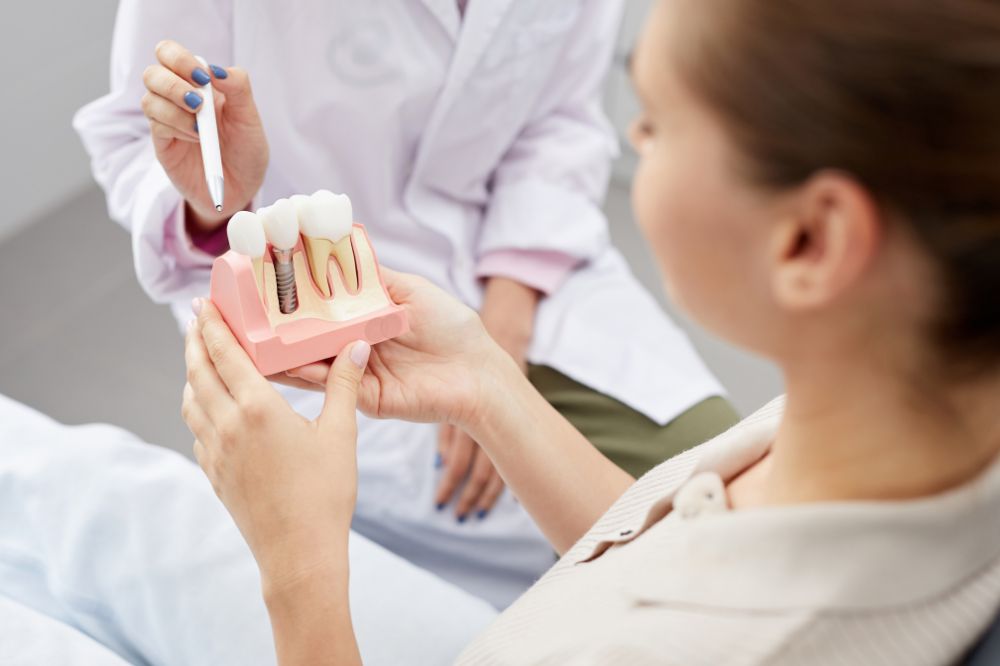
If you have recently received dental implants in Palm Beach Gardens, you may notice slight bleeding around the area during the healing period. In most cases, this is normal and part of the recovery process. It usually settles on its own in a short time. Knowing what to expect can help you feel more comfortable and take the right steps if needed. Bleeding can happen for different reasons, and not all of them are serious. It is important to know the common dental implant bleeding causes so you can manage the situation calmly and correctly without unnecessary worry.
Is It Normal For A Dental Implant To Bleed
A small amount of bleeding after getting an implant is usually normal, especially in the first few days. Your gums are healing, so some sensitivity and slight bleeding can happen.
Here is what is considered normal.
- Light bleeding for a short time
- Mild soreness in the area
- Slight swelling
If the bleeding continues for many days or becomes heavy, it may be a sign that something needs attention. In such cases, it is best to visit a dentist in Palm Beach Gardens for proper care.
Common Dental Implant Bleeding Causes
There are several reasons why your implant area may bleed. Some are related to healing, while others may be due to irritation or infection.
Here are common causes.
- Gum irritation
- Infection around the implant
- Poor oral hygiene
- Pressure on the implant area
Knowing these bleeding causes can help you understand what might be happening. It also helps you decide when to seek professional care.
Can Brushing Cause Implant Bleeding
Many people ask if cleaning their teeth can lead to bleeding around the implant. The answer is yes, but it depends on how you brush.
Here are some reasons.
- Brushing too hard
- Using a hard toothbrush
- Touching the sensitive gum area
Whether brushing can cause implant bleeding is a common concern that people have, especially after treatment. Using a soft brush can help reduce irritation and protect your gums.
What To Do If The Implant Keeps Bleeding
If you notice that bleeding does not stop or keeps coming back, it is important to take the right steps. Ignoring the problem can make it worse over time.
Here is what you can do.
- Apply gentle pressure with clean gauze
- Avoid touching the area
- Rinse with salt water
- Contact your dentist
Knowing what to do if the implant keeps bleeding can help you manage the situation better. It also ensures you get help before the issue becomes serious.
Signs You Should Not Ignore
Some symptoms may show that the bleeding is not part of normal healing. These signs need attention from a dental professional.
Here are warning signs.
- Continuous bleeding
- Severe pain
- Pus around the implant
- Bad taste in the mouth
If you notice any of these signs, it is important to seek care as soon as possible. Early treatment can help prevent further complications.
How To Prevent Implant Bleeding
Taking proper care of your implant can reduce the chances of bleeding and support healing. Simple habits can make a big difference.
Here are some tips.
- Use a soft toothbrush
- Brush gently
- Maintain good oral hygiene
- Follow aftercare instructions
Good care helps protect your gums and implant. It also supports faster healing and reduces the risk of future problems.
When To Visit A Dentist
If bleeding does not improve or you feel unsure about your symptoms, it is always better to get checked. A dental office near you can help you understand the cause and provide the right treatment.
Here is when to visit.
- Bleeding lasts more than a few days
- Pain increases
- Swelling does not reduce
Getting help at the right time can protect your implant. It also helps you feel more confident about your oral health.
Take The Next Step For Your Oral Health
Bleeding around a dental implant can feel worrying, but understanding the cause can help you stay calm and take the right action. Early care can prevent complications. Habashy Dental offers simple and comfortable dental care. Contact us today to book your visit and get the care you need.
FAQs:-
1. Is it normal for a dental implant to bleed?
A little bleeding can happen after the treatment. It should stop in a few days.
2. Can brushing cause implant bleeding?
Yes, brushing too hard or using a hard brush can hurt the area and make it bleed.
3. What are common dental implant bleeding causes?
Bleeding can happen due to irritation, infection, or pressure on the implant area.
4. What to do if the implant keeps bleeding?
Apply light pressure, avoid touching the area, and contact your dentist if it does not stop.